Federal prosecutors charged Taj Tarsha, the 34-year-old founder of NFT marketplace Few and Far, with securities fraud and wire fraud. The allegation: he diverted more than $10 million in investor funds into gambling, crypto trading, and a DJ hobby.
The indictment, unsealed in the U.S. District Court for the Southern District of New York, accuses the Brooklyn-based founder of selling rights to 95 million FAR tokens to at least 67 investors through Simple Agreements for Future Tokens beginning in 2022. He then spent the proceeds on himself, prosecutors say, while telling backers the money would build a Web3 marketplace, according to Decrypt.
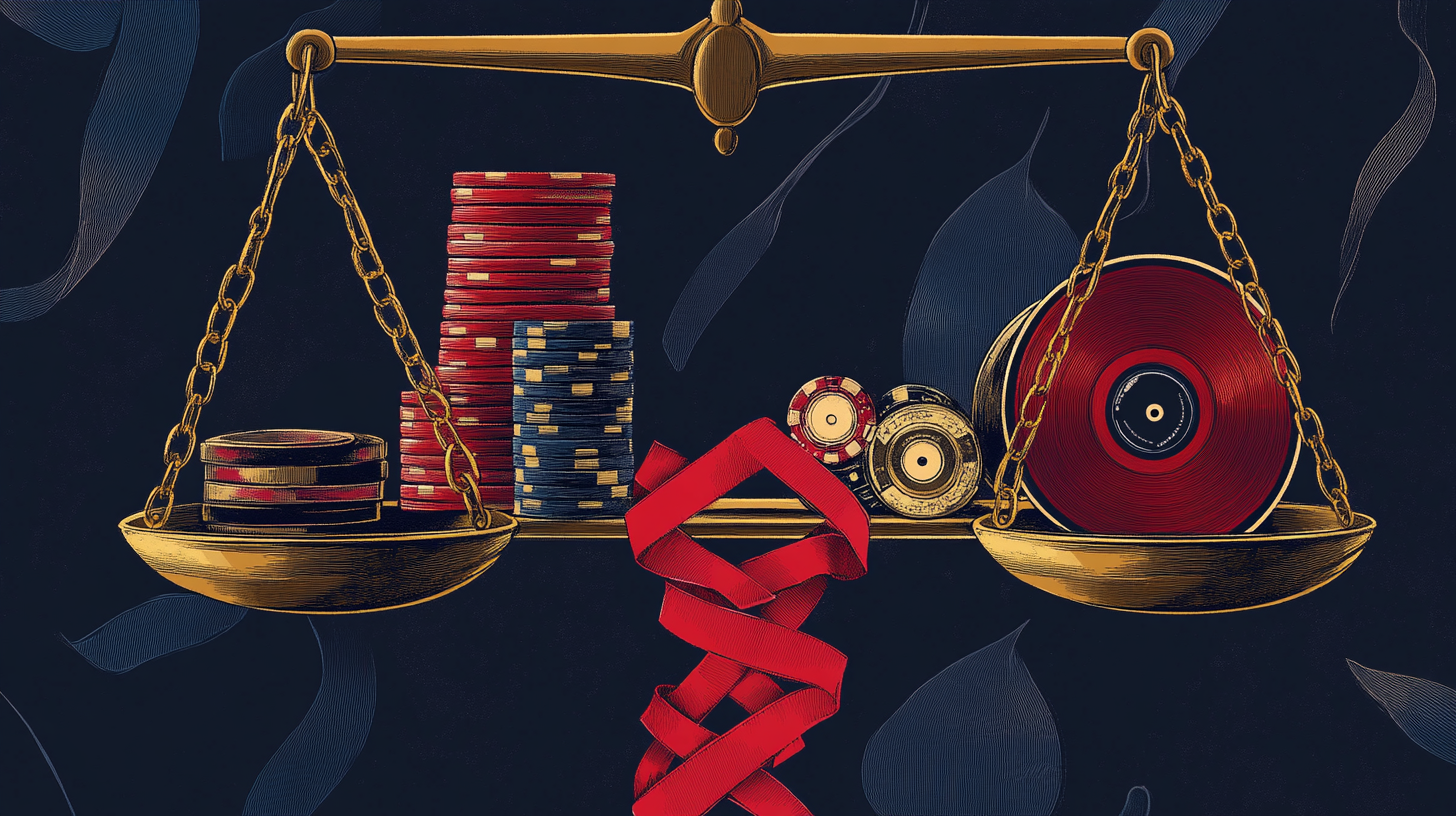
Where the money went, per the indictment: online gambling, speculative cryptocurrency purchases, nearly $1 million in self-paid bonuses, an inflated salary, a Miami condominium loan, interior design services, and what the Justice Department’s own announcement called his DJ hobby. The Block corroborated the charges and the itemized spending categories.
A 2023 audit uncovered the alleged misconduct. Rather than disclose it, Tarsha concealed the company’s financial problems, laid off nearly all employees, and maintained the appearance of continued development, according to the Decrypt account of the indictment. The FAR token eventually launched in May 2024. Prosecutors say it was effectively worthless and soon ceased trading.
Each count carries a maximum penalty of up to 20 years in prison.
The case adds to a string of federal NFT fraud prosecutions. Decrypt noted that Aurelien Michel, creator of the Mutant Ape Planet collection, pleaded guilty to wire fraud in November 2023 after a rug pull that defrauded buyers of nearly $3 million. Frosties NFT and Baller Ape Club founders have faced similar charges.
FBI Assistant Director in Charge James C. Barnacle, Jr. said in a statement that Tarsha is alleged to have concealed fraudulent conduct behind his crypto startup, using investor funds for personal benefit. Deputy U.S. Attorney Sean S. Buckley said investors are entitled to the truth when choosing to make an investment, and that the office will hold business leaders responsible when they lie for their own gain.
Tarsha’s defense attorneys, Even T. Barr and Kaela Dahan, told Decrypt they are disappointed the government chose to pursue criminal charges against the founder of a legitimate Web3 startup that built a real NFT marketplace, launched its token, and then confronted the same market collapse that devastated countless other NFT projects. Tarsha never intended to defraud anyone, they said. Sophisticated investors knowingly invested in digital assets in 2022 at a time of extraordinary optimism, understanding both the risks and the potential rewards.
After years of regulation by enforcement rather than clear rules, the defense said, prosecutors are now attempting to rewrite a failed business venture as a criminal fraud case through hindsight and selective storytelling. Business failure is not a crime. Mr. Tarsha is innocent and looks forward to being fully exonerated.
The indictment does not specify a total dollar figure for the diversion, listing only itemized spending categories. No case docket number, arraignment date, or next court appearance was reported by either outlet. Whether the Few and Far entity faces separate charges remains unclear.